


Technical SEO For Law Firms: Improving Your Law Firm’s Website Code Basics
In today’s competitive legal market, your firm’s online presence is more than just a digital business card—it’s a critical tool for attracting clients. A law firm’s online presence fundamentally depends on a technically optimized website, as this is essential for establishing and maintaining visibility in search results. Why is SEO so important for law firms? SEO directly impacts your search visibility and client acquisition, helping your firm appear when prospective clients are searching for legal services online.
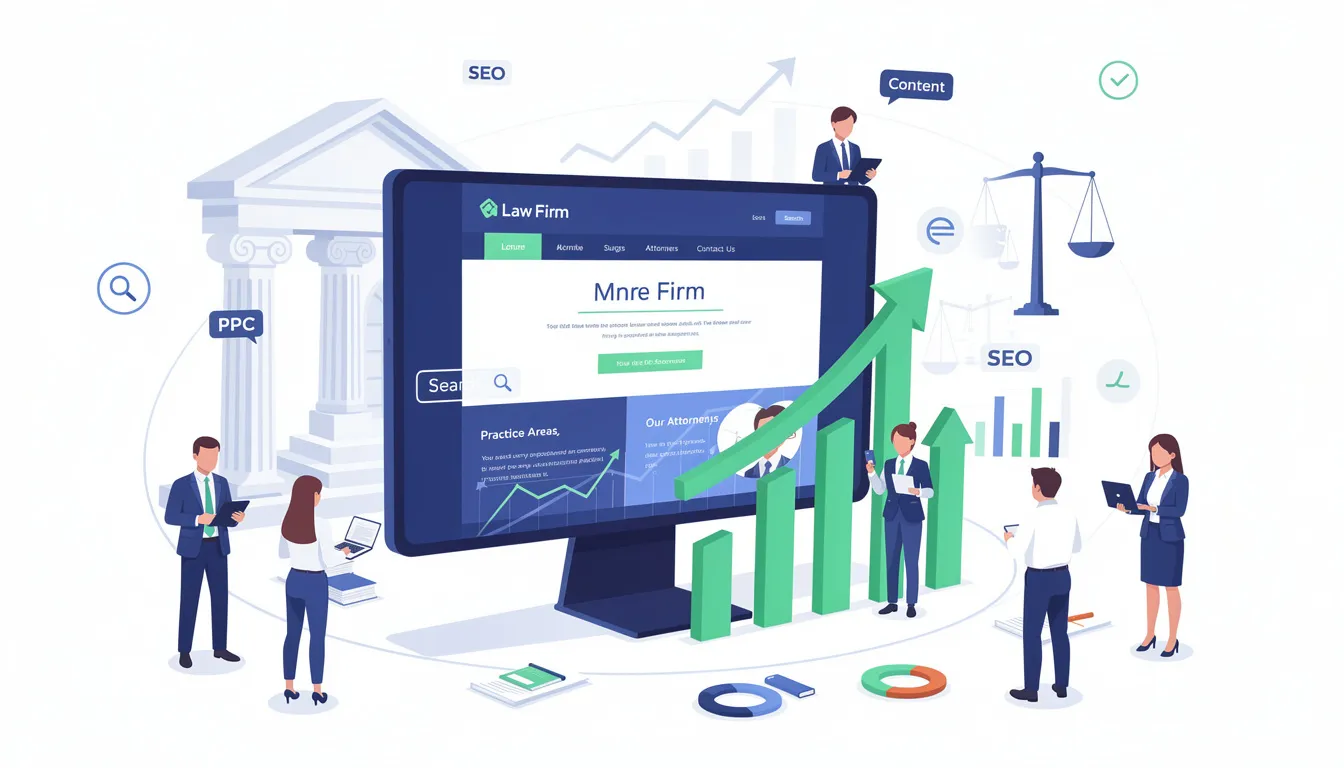
But having a beautiful website isn’t enough. Without a solid SEO strategy that includes technical SEO, local SEO, and content marketing, even the best-looking site might fail to bring in the traffic your firm needs. At Matador Solutions, we’ve seen firsthand how strong technical SEO can transform a law firm’s website into a lead-generating powerhouse. Let’s explore how fine-tuning your website’s code can help your firm stand out in the crowded online space.
Building A Strong Technical SEO Foundation

The backend of your website might not be visible to visitors, but it plays a significant role in your website’s performance. Technical SEO ensures that search engines can efficiently crawl, index, and rank your pages. Technical SEO matters because it directly impacts your website performance, search engine ranking, and user experience—making it a critical part of your law firm’s online success. This involves optimizing everything from your site’s structure to its load speed, as well as site speed, both of which directly impact SEO and user experience.
For example, slow-loading pages can frustrate potential clients and lower your rankings in search engine results. Monitoring and improving website performance and core web vitals—such as Largest Contentful Paint (LCP), Interaction to Next Paint (INP), and Cumulative Layout Shift (CLS)—are essential for technical SEO. We’ve worked with law firms whose websites loaded in five seconds or more—a delay that can cost you clients. After implementing technical improvements like image compression and caching, those sites saw dramatic increases in traffic and engagement. Optimizing core web vitals is also crucial for boosting both your search rankings and user engagement.
Regularly auditing your site for technical issues is necessary to ensure there are no barriers to crawlability or SEO performance.
Structuring Your Website For Success
Search engines prioritize sites with logical, organized site architecture and site structure as key elements for SEO. A well-structured website structure not only helps search engines understand the relationship between your pages but also improves user navigation and makes it easier to rank for relevant keywords.

For a law firm’s site, this means grouping related content—like practice areas, attorney bios, and contact information—into clear categories. Internal links within your content help distribute authority across important pages and further enhance navigation for both users and search engine crawlers. Ensuring your law firm’s site is accessible to search engine crawlers through proper site structure and internal linking is essential for better indexing and higher rankings. Optimizing a law firm’s site is crucial for appearing prominently in relevant search results and attracting potential clients.
Mobile Optimization For Mobile Users
More than half of web traffic now comes from mobile devices, making mobile optimization a crucial part of technical SEO. Your site should load quickly, display cleanly, and be fully functional on smartphones and tablets. Google Search prioritizes mobile-friendly sites in its search results, so optimizing for mobile directly impacts your law firm’s visibility.
We’ve seen countless instances where firms didn’t realize their sites weren’t mobile-friendly. One client, for instance, had a desktop-focused design that was nearly impossible to navigate on a phone. After adjusting their site to be responsive, mobile traffic surged, and their lead volume followed suit. Improved mobile optimization can also lead to higher placement in Google search results for law firms, increasing your chances of being discovered by potential clients.
Leveraging Technical SEO For Local Visibility
Law firms rely heavily on local search traffic. Technical SEO can enhance your local rankings by integrating geo-targeted keywords into your site’s metadata and ensuring consistency across online directories. Local SEO is a key strategy for law firms, involving tactics like schema markup for your address and practice areas to make it easier for search engines to showcase your firm in local search results.
When we optimize a site, we also verify its local listings across platforms like Google Business Profile. Accurate information in online business directories is essential for boosting local search rankings and improving visibility on Google Maps. Technical SEO not only supports these efforts but also strengthens a law firm’s online presence and search engine visibility in local markets. Link building—actively acquiring backlinks through strategies like content creation, directory listings, guest posting, and outreach—plays a crucial role in improving local SEO and increasing your website authority. One firm we supported gained prime placement in the coveted “local pack” of search results, resulting in a 30% increase in consultation requests.
A Tailored Approach For Your Law Firm’s Website
Every law firm is unique, and your SEO strategy should reflect that. A cookie-cutter approach won’t yield results in this competitive industry. A comprehensive law firm SEO strategy should include technical, local, and content elements to ensure your website ranks well and attracts the right clients. SEO for lawyers requires a tailored approach that focuses on legal keywords, technical website optimizations, and local SEO tactics to improve online visibility and attract prospective clients to law firms. Instead, we focus on customized technical SEO strategies tailored to your firm’s specific goals and challenges.
As an SEO company for lawyers, we know how to address the unique needs of legal websites. From handling sensitive information securely to maintaining compliance with industry regulations, technical SEO isn’t just a strategy—it’s a necessity. Law firm SEO, business lawyer SEO (business lawyer SEO), law firms technical SEO, lawyers technical SEO, and attorney search engine optimization are all specialized approaches designed for legal professionals to improve website performance, search rankings, and client acquisition. Legal SEO encompasses all these strategies, helping law firms enhance their online visibility and attract more clients.
Implementing Schema Markup For Enhanced Search Visibility
Schema markup is a powerful tool in the technical SEO toolkit that can give your law firm a significant edge in search engine rankings. As an important component of on page seo for law firms, schema markup helps optimize your site’s metadata and content for better visibility. By adding structured data to your website’s code, you help search engines understand the context and details of your content—making it easier for them to display your firm more prominently in search results. For law firms, implementing schema markup such as LocalBusiness, FAQPage, and BreadcrumbList can be especially beneficial. LocalBusiness schema helps search engines understand your firm’s name, address, and contact information, which is crucial for appearing in local search results and attracting potential clients in your area. FAQPage schema allows you to highlight answers to common legal questions, increasing your chances of being featured in rich snippets. BreadcrumbList schema clarifies your website’s structure, helping both users and search engines navigate your site more efficiently. Tools like Google’s Structured Data Markup Helper make it easier to add schema to your site, or you can work with a web developer experienced in technical SEO for law firms. By leveraging schema markup, you not only improve your search engine rankings but also enhance your law firm’s visibility to prospective clients searching for legal services.
Tracking Performance With Google Analytics
Understanding how your law firm’s website performs is essential for refining your SEO strategy and maximizing your online impact. Google Analytics provides law firms with detailed insights into how users interact with their web pages, from the number of visitors and their sources to bounce rates and conversion metrics. Google Tag Manager plays a crucial role in managing third-party scripts, such as analytics and tracking tags, ensuring accurate data collection for SEO insights and helping maintain optimal site performance. By monitoring these key indicators, you can assess which SEO efforts are driving organic traffic and which areas need improvement. For example, tracking the performance of specific web pages can reveal which practice areas attract the most interest, while analyzing conversion rates helps you understand how effectively your site turns visitors into potential clients. Google Analytics also allows you to measure the success of your content updates and technical SEO changes over time, ensuring your law firm’s SEO strategy remains data-driven and results-oriented. With these insights, you can make informed decisions that continually improve your website’s performance and help your firm stand out in search engine results.
Ensuring Website Security And Accessibility
A secure and accessible website is not only vital for protecting your law firm’s reputation but also plays a key role in technical SEO and search engine rankings. Implementing website security measures—such as installing an SSL certificate and using HTTPS—safeguards your clients’ data and signals to search engines that your site is trustworthy. Hypertext transfer protocol secure (HTTPS) encrypts data transmitted between your website and its visitors, protecting sensitive information and improving your site’s search engine rankings by fostering user trust. Regularly updating your website’s software and plugins further reduces the risk of security breaches that could harm your online presence. Accessibility is equally important; your law firm’s website should be easy to navigate on all devices and browsers, and should accommodate users with disabilities by providing features like alternative text for images and clear, concise language. Additionally, optimizing for fast page speed and mobile-friendliness ensures that potential clients have a seamless experience, which search engines reward with higher rankings. By prioritizing website security and accessibility, your law firm not only meets the expectations of search engines but also builds trust with prospective clients—laying the groundwork for long-term SEO success.
Understanding Core Web Vitals and Page Speed
Core Web Vitals are essential metrics that Google uses to evaluate the performance and user experience of your law firm’s website. These metrics—Largest Contentful Paint (LCP), Interaction to Next Paint (INP), and Cumulative Layout Shift (CLS)—directly influence your search engine rankings and how potential clients perceive your site. LCP measures how quickly the main content of a page loads, ensuring visitors aren’t left waiting for important information. INP tracks how fast your site responds to user interactions, such as clicking a button or filling out a form, which is crucial for keeping prospective clients engaged. CLS assesses the visual stability of your web pages, preventing annoying shifts that can disrupt the user experience.
Page speed is a critical factor not only for user satisfaction but also for your law firm’s visibility in search engine results. Slow-loading pages can drive visitors away and signal to search engines that your site may not provide the best experience, leading to lower search engine rankings. Law firms can leverage tools like Google PageSpeed Insights to regularly assess their website’s core web vitals and page speed, identifying specific areas for improvement. By prioritizing these metrics, your firm can enhance both user experience and search engine performance, making it easier for potential clients to find and trust your legal services.
Identifying and Resolving Common Technical SEO Issues
Technical SEO issues can quietly undermine your law firm’s website performance and hinder your ability to climb search engine rankings. Some of the most common problems include broken links, duplicate content, and a poorly organized website structure. Broken links not only frustrate users but also prevent search engines from properly crawling your site, which can negatively impact your search engine visibility. Duplicate content confuses search engines about which page to rank, potentially diluting your authority and lowering your position in search results. An unclear website structure makes it harder for both users and search engines to navigate your site, reducing your chances of ranking for important keywords.
To stay ahead of these issues, law firms should regularly use tools like Google Search Console and Google Analytics to monitor website performance and identify technical SEO problems. Google Search Console can alert you to broken links and crawl errors, while Google Analytics provides insights into how users interact with your site. Addressing broken links by updating or removing them, resolving duplicate content with canonical tags or unique rewrites, and improving your website structure with clear navigation and internal links can all help improve search engine rankings. Conducting regular technical SEO audits ensures your law firm’s website remains optimized, accessible, and ready to attract new clients through organic search.
Creating a Technical SEO Checklist for Your Law Firm
A comprehensive technical SEO checklist is a valuable tool for law firms aiming to optimize their website for search engines and deliver a seamless user experience. Here’s what your checklist should include:
- Website structure and navigation: Ensure your site is logically organized, making it easy for both users and search engines to find important information.
- Page speed and mobile optimization: Regularly test your site’s loading times and responsiveness on mobile devices to maintain high search engine rankings.
- Internal linking and anchor text: Use descriptive anchor text and strategic internal links to guide visitors and distribute authority across your web pages.
- Image optimization and alt tags: Compress images for faster loading and add alt tags to help search engines understand your visual content.
- Meta tags and titles: Craft unique, keyword-optimized meta titles and descriptions for every page to improve visibility in search engine results.
- Header tags and content hierarchy: Use header tags (H1, H2, H3) to structure your content, making it easier for search engines to interpret your pages.
- Schema markup and structured data: Implement schema markup to provide search engines with detailed information about your law firm, enhancing your presence in search results.
- Website security and HTTPS: Secure your site with an SSL certificate to protect client data and boost your search engine rankings.
- Broken links and duplicate content: Routinely check for and fix broken links, and address duplicate content to maintain a healthy, authoritative site.
- Technical SEO audits and tracking: Schedule regular audits using tools like Google Search Console and Google Analytics to monitor your website’s technical health and SEO performance.
By following this technical SEO checklist, law firms can ensure their website is fully optimized for search engines, providing a strong foundation for ongoing SEO success and helping attract more potential clients through improved search engine visibility.
Invest In Your Firm’s Future
Improving your law firm’s website code isn’t just a technical exercise—it’s an investment in your future growth. Technical SEO improvements directly impact your site’s SEO performance and help improve search engine rankings. When potential clients search for legal services, a technically sound site gives you the edge needed to capture their attention and earn their trust.
At Matador Solutions, LLC, we power the digital presence of over 150 law firms and medical practices nationwide. Our approach is driven by thousands of hours and millions of dollars of research to determine what works. Don’t let your firm get lost in the online noise. Appearing in the top organic search results and on the first page of search engine results pages is crucial for attracting clients. Let’s create a website that not only looks great but also makes the phone ring.
Reach out today, and let’s discuss how we can help your firm dominate online search results. Ongoing technical SEO efforts can help sustain high search rankings for law firms. Your future clients are searching—make sure they find you.
Regularly publishing blog posts as part of a comprehensive content strategy is essential for law firms to engage potential clients at every stage of their journey. By offering valuable legal assistance through educational content, your firm builds trust and authority online. For example, personal injury law practices benefit greatly from targeted SEO that attracts clients searching for terms like “personal injury law firms near me.” Creating content that addresses specific search queries improves your visibility in search results. Additionally, analyzing other websites targeting similar keywords helps you understand competitor strategies and refine your own content for better results.